
Whole Home Remodel: Step-by-Step Planning for Success
How to plan a whole home remodel: where to start, what it costs by room, choosing a contractor, mobile home remodels, and the benefits for your space.
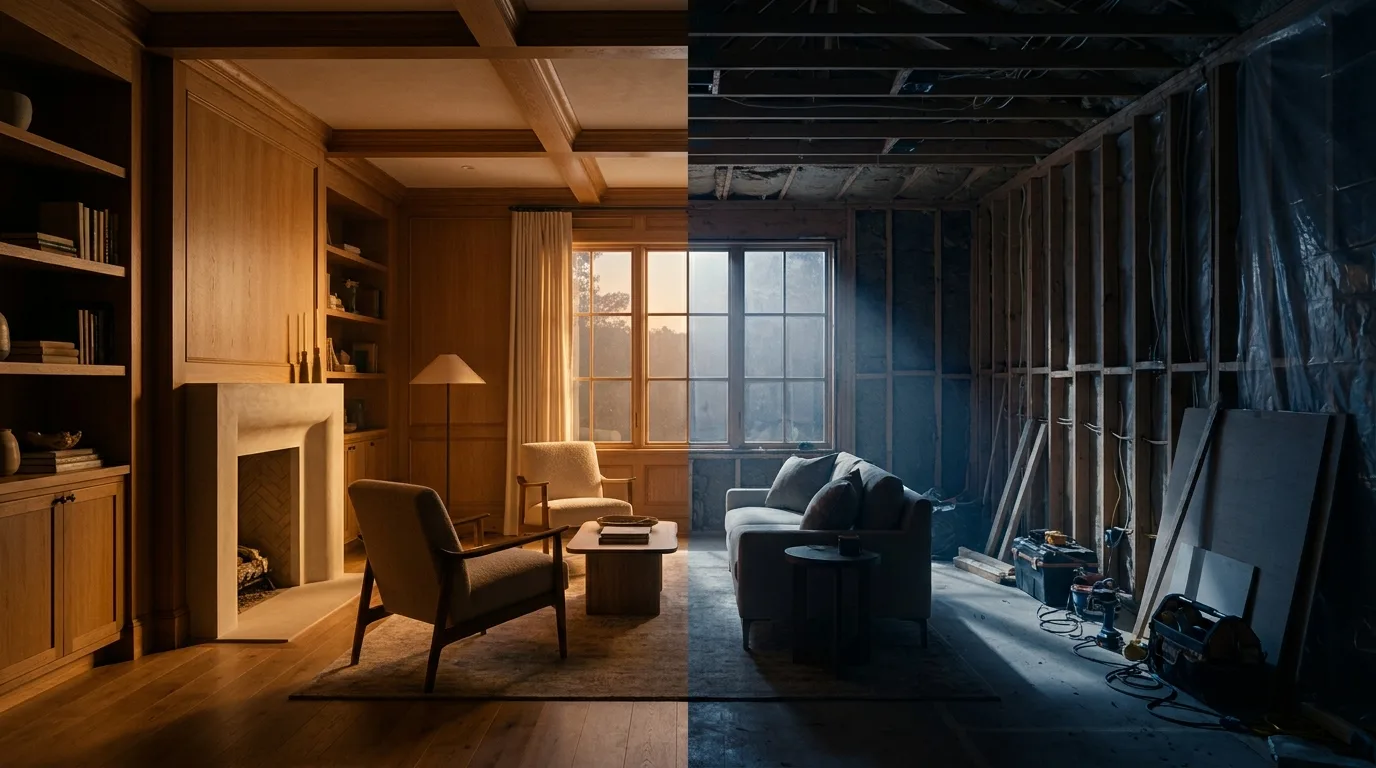
A whole home remodel is a comprehensive renovation that updates multiple or all areas of a house, transforming its layout, functionality, and aesthetic appeal. Unlike smaller-scale renovations that focus on one room, a whole home remodel can involve structural changes, new flooring, updated plumbing and electrical systems, and modernized interiors.
The benefits of remodeling your entire home include increased property value, improved energy efficiency, enhanced comfort, and the opportunity to personalize the space to better fit your lifestyle. However, before starting, homeowners should carefully consider key factors such as budget, timeline, and the scope of work. Planning, hiring experienced professionals, and obtaining necessary permits can help ensure a smooth and successful remodeling process.
Whole Home Remodel: Where to Start
Remodeling your entire home is an exciting yet complex process that requires careful planning. Whether you're modernizing an outdated space, improving functionality, or increasing property value, starting with a structured approach will help you avoid costly mistakes and ensure a successful transformation.
Assessing Your Needs and Goals
Before jumping into renovations, take a step back and evaluate your specific needs and long-term goals for your home:
- What features of your current layout aren't meeting your needs?
- Do you need more space, better functionality, or updated aesthetics?
- Are you remodeling to increase resale value or to create your forever home?
Consider the needs of your household, future lifestyle changes, and any special requirements such as accessibility features or energy-efficient upgrades. Creating a priority list will help guide decisions and prevent scope creep.
Creating a Remodeling Plan and Budget
Once you have a clear vision, it's time to translate that into a structured plan and budget.
Planning Your Layout & Design: Sketch out rough ideas or consult with an architect or designer to refine the vision. Consider how structural changes (like removing walls or adding rooms) might impact the flow and function of your home.
Budgeting: Determine how much you're willing to spend and research typical costs for renovations in your area. Be sure to account for materials, labor, permits, and unexpected expenses, setting aside at least 10-20% of your budget for contingencies.
Prioritization: If your budget is tight, consider which areas need immediate attention versus those that can wait. Kitchen and bathroom remodels often provide the highest return on investment.
Hiring Professionals vs. DIY
One of the biggest decisions in a home remodel is whether to hire professionals or take a do-it-yourself approach.
When to Hire Professionals:
- Structural changes (moving walls, adding rooms)
- Electrical, plumbing, and HVAC updates
- Roofing, foundation, or major exterior renovations
- High-end finishes that require precision
When to DIY:
- Painting walls or cabinets
- Installing flooring (if you have experience)
- Landscaping and minor cosmetic updates
- Simple demolition (removing old carpet, cabinets, etc.)
Even if you're handling some tasks yourself, hiring a general contractor or consulting specialists can prevent costly mistakes and delays.
Securing Permits and Approvals
Many homeowners overlook this critical step, which can lead to legal issues, fines, or delays.
- Check with your local building department to determine which permits are required for your remodel.
- Structural changes, electrical work, plumbing upgrades, and additions often require permits.
- If you live in a community with a homeowners' association (HOA), ensure your project complies with their guidelines.
Whole Home Remodel Cost: What to Expect and How to Budget
A whole home remodel is a significant investment, and understanding the costs involved is crucial to avoiding budget overruns. Various factors, from the size of your home to material choices and labor costs, influence the total expense.
Factors That Influence the Cost
Several variables determine the total cost of a whole-home remodel. Key factors include:
- Home Size & Scope of Work: Larger homes or extensive renovations (such as layout changes, additions, or gutting entire spaces) will increase costs.
- Materials & Finishes: Basic materials (laminate flooring, builder-grade cabinetry) are more affordable, while premium options (hardwood flooring, custom cabinets, quartz countertops) can quickly raise expenses.
- Labor Costs: Skilled labor such as electricians, plumbers, and contractors can vary significantly depending on location and expertise.
- Location: Remodeling costs differ based on where you live. Major metropolitan areas tend to have higher labor and material costs than smaller towns.
- Structural Changes: Moving walls, adding windows, or altering plumbing and electrical systems add to the complexity and cost of a remodel.
- Permits & Inspections: Some renovations require permits, adding to the overall cost, especially for structural, plumbing, or electrical modifications.
Average Cost Range for a Whole Home Remodel
The cost of a whole home remodel varies widely based on the factors above, but here are general price ranges:
- Low-End Remodel: $15,000 to $50,000 (basic cosmetic updates like new paint, flooring, and minor kitchen or bathroom upgrades)
- Mid-Range Remodel: $50,000 to $150,000 (structural changes, updated kitchens/bathrooms, higher-quality finishes)
- High-End Remodel: $150,000 to $500,000+ (major layout changes, luxury materials, full-scale renovations, smart home integration)
Cost Breakdown by Room
Understanding the cost distribution by room can help you allocate your budget effectively.
Kitchen Remodel Costs
- Basic Upgrades: $10,000 to $25,000 (new countertops, cabinets, appliances)
- Mid-Range Remodel: $25,000 to $50,000 (custom cabinetry, stone countertops, upgraded appliances)
- High-End Remodel: $50,000 to $150,000+ (luxury finishes, layout changes, smart kitchen features)
Bathroom Remodel Costs
- Small Bathroom: $5,000 to $15,000 (new fixtures, tile, vanity)
- Primary Bathroom: $15,000 to $40,000 (walk-in shower, high-end tile, double vanity)
- Luxury Spa Bath: $40,000 to $100,000+ (custom walk-in shower, heated floors, premium materials)
Living Room & Bedroom Remodel Costs
- Basic Updates: $5,000 to $15,000 (paint, flooring, lighting)
- Extensive Remodel: $15,000 to $50,000+ (fireplace upgrades, built-ins, custom millwork)
Exterior Remodel Costs
- Siding & Painting: $5,000 to $25,000 (depending on material and home size)
- Roofing: $7,000 to $30,000 (asphalt shingles vs. metal or tile)
- Landscaping: $3,000 to $20,000+ (basic lawn refresh to full outdoor living space)
Hidden Costs and Unexpected Expenses
Many homeowners are caught off guard by unexpected costs during a remodel.
- Structural Issues: Unforeseen problems like water damage, mold, or foundation issues can require additional repairs.
- Permit Fees: Local permit costs vary but can add hundreds or even thousands of dollars to the budget.
- Temporary Housing Costs: If your home becomes unlivable during the renovation, you may need to budget for temporary accommodations.
- Material Price Fluctuations: Lumber, tile, and other materials can increase in price unexpectedly.
- Utility Upgrades: Older homes may need electrical panel upgrades or plumbing replacements to meet modern codes.
Financing Options and Budgeting Tips
If you don't have the full amount saved, financing options can help fund your remodel:
- Home Equity Loan or HELOC: Borrow against your home's equity with a fixed-rate loan or a flexible line of credit.
- Cash-Out Refinance: Refinance your mortgage to access extra cash for remodeling.
- Personal Loan: An unsecured loan with a fixed repayment term; good for smaller remodels.
- FHA 203(k) Loan: A government-backed loan designed for major home renovations.
Budgeting Tips for a Smooth Remodel
- Get multiple quotes from contractors to compare pricing.
- Set aside a contingency fund (10-20% of your budget) for unexpected costs.
- Prioritize essential renovations over cosmetic upgrades.
- Consider a phased remodel if you can't afford everything at once.
- Look for ways to save, such as repurposing materials or tackling minor DIY tasks.
Whole Home Remodel in Greenville & the Upstate
A whole home remodel across Greenville, Mauldin, Simpsonville, and the wider Upstate involves upgrading multiple aspects of a house, from layout and structure to interior design and energy efficiency. Homeowners here often seek modern, open-concept living, refined craftsmanship, and durable materials that hold up to the South Carolina climate while raising long-term value.
Local Remodeling Trends and Regulations
Upstate projects follow the South Carolina building code (based on the International Residential Code) and local county and municipal requirements. Permitting and inspections are handled through the relevant county or city building department (Greenville County, the City of Greenville, Mauldin, Simpsonville, and so on), so working with a contractor who knows the local approval process keeps a remodel moving. Popular directions include open floor plans, indoor-outdoor living, and quiet, high-performance home systems.
Finding the Right Contractor in the Upstate
Choosing a reliable contractor is crucial for a successful remodel. Look for a licensed, bonded South Carolina general contractor with experience in local permitting and a documented schedule. Checking references, verifying credentials, and requesting detailed bids help in selecting the right team.
Material and Design Considerations for the Region
Given the warm, humid Southeastern climate, durable, moisture-tolerant materials and good insulation and air sealing pay off in comfort and energy cost. Timeless designs (natural wood, warm neutral palettes, and generous, well-day-lit living spaces) wear well and protect resale value across the Upstate.
Choosing a Whole Home Remodel Contractor
A whole home remodel is a significant investment, and selecting the right contractor is essential for ensuring quality workmanship, adherence to budget and timelines, and a smooth remodeling experience. The ideal contractor should have experience with similar projects, a strong reputation, and knowledge of local building codes and regulations.
How to Find and Vet a Reliable Contractor
Finding a reputable contractor requires thorough research and careful evaluation. Here are some key steps to take:
Get Recommendations
Ask friends, neighbors, and local real estate professionals for referrals. Online platforms like Houzz, Angi, and Yelp can also provide insights into contractors' reputations.
Verify Licenses and Insurance
Ensure the contractor holds a South Carolina general contractor license (issued through the SC Department of Labor, Licensing and Regulation) and carries liability and workers' compensation insurance.
Check Experience and Portfolio
Review their past projects, especially whole home remodels, to ensure they have the expertise required.
Read Reviews and Testimonials
Look for consistently positive feedback, but also note how the contractor responds to complaints or concerns.
Interview Multiple Contractors
Speaking with at least three contractors allows you to compare approaches, pricing, and communication styles.
Request References
Contact previous clients to ask about their experiences, the contractor's reliability, and the quality of work.
Questions to Ask Before Hiring
Before finalizing your choice, ask these key questions to ensure the contractor is a good fit:
Experience & Qualifications:
- How long have you been in business?
- Have you completed whole home remodels similar to mine?
- Do you have experience working in Greenville and the Upstate and handling local permitting?
Project Management & Timelines:
- How do you handle project scheduling and unexpected delays?
- Will you provide a dedicated project manager?
- How often will we have progress meetings?
Budget & Pricing:
- Can you provide a detailed, itemized estimate?
- How do you handle change orders and additional costs?
- What is the payment schedule?
Licensing & Legal Protections:
- Are you fully licensed and insured?
- Could you provide evidence of insurance and the required permits?
- What warranties or guarantees do you offer on your work?
Understanding Contracts and Project Timelines
A solid contract shields both parties by clearly outlining expectations. Ensure the contract includes:
- Scope of Work: A detailed breakdown of what is included in the remodel.
- Project Timeline: Start and completion dates with key milestones.
- Payment Schedule: A structured plan for payments, typically tied to progress milestones.
- Change Order Policy: How modifications to the project will be handled.
- Permits & Inspections: Confirmation that the contractor will obtain all necessary permits.
- Warranty & Dispute Resolution: Clear terms on guarantees and how disputes will be resolved.
A realistic timeline should factor in permitting, material availability, and potential delays, helping to set clear expectations from the beginning.
Managing the Remodel Process with Your Contractor
To keep the project on track, effective communication and organization are essential.
Establish a Clear Communication Plan
Determine how and when updates will be provided (e.g., weekly meetings, emails, or a project management app).
Monitor Progress Regularly
Conduct site visits and check milestones to ensure the project is following the agreed timeline.
Be Prepared for Challenges
Unexpected issues may arise (e.g., hidden structural damage, supply chain delays). Work collaboratively with your contractor to find solutions.
Document Everything
Keep records of all communications, payments, and change orders to avoid misunderstandings.
Final Walkthrough & Punch List
Before making the final payment, walk through the project with your contractor to address any final adjustments or touch-ups.
Cost of Remodeling a Whole Mobile Home
Remodeling a mobile home can be an exciting but complex project. While it is often more affordable than renovating a traditional home, there are unique factors that influence the total cost. Understanding these differences, cost breakdowns, and potential challenges will help you plan effectively and avoid unexpected expenses.
Essential Differences Between Mobile Home and Traditional Home Renovations
Structural Considerations:
- Mobile homes are built on a steel chassis rather than a foundation, which affects weight distribution and limits the types of renovations possible.
- Walls are typically made of thinner materials like vinyl-coated drywall or paneling, requiring special techniques for modifications.
Building Codes & Regulations:
- Mobile homes must comply with the HUD Code, which differs from local building codes for site-built homes.
- Renovations may require permits specific to manufactured homes, especially for electrical and plumbing work.
Material & Design Limitations:
- Floors are often thinner and may not support heavy materials like stone countertops or tile flooring without reinforcement.
- Ceiling height is generally lower, impacting lighting choices and cabinet sizes.
Plumbing & Electrical Differences:
- Pipes and wiring in mobile homes tend to be smaller in diameter and may require specialized parts or modifications.
- Electrical systems might need upgrading to support modern appliances and increased power demands.
Cost Breakdown and Factors Affecting Price
The cost of remodeling a mobile home varies depending on the extent of the renovation, the quality of materials used, and labor costs.
Interior Remodel:
| Category | Estimated Cost Range |
|---|---|
| Flooring Replacement | $1,000 to $4,000 |
| Wall Replacement/Painting | $500 to $3,000 |
| Ceiling Repair/Upgrade | $800 to $2,500 |
| Kitchen Remodel | $3,000 to $10,000 |
| Bathroom Remodel | $2,500 to $7,000 |
Exterior Remodel:
| Category | Estimated Cost Range |
|---|---|
| Siding Replacement | $3,000 to $10,000 |
| Roof Replacement | $2,000 to $8,000 |
| Window Replacement | $1,500 to $5,000 |
| Skirting Replacement | $500 to $3,000 |
Mechanical & Utility Upgrades:
| Category | Estimated Cost Range |
|---|---|
| Electrical System Upgrade | $1,500 to $5,000 |
| Plumbing Repairs | $1,000 to $4,000 |
| HVAC System Upgrade | $3,000 to $8,000 |
Factors Influencing Cost:
- Age & Condition of the Home: Older mobile homes may require structural reinforcements or updated systems.
- Size of the Home: Single-wide homes cost less to remodel than double-wide or triple-wide models.
- Material Choices: High-end finishes (e.g., quartz countertops, hardwood floors) increase costs.
- DIY vs. Hiring Contractors: Doing some work yourself can save thousands, but professional labor ensures quality.
Common Challenges and How to Address Them
Weight Limitations:
- Challenge: Mobile homes have weight restrictions that impact flooring, cabinetry, and roofing materials.
- Solution: Use lightweight alternatives such as luxury vinyl plank (LVP) flooring, composite countertops, and reinforced supports where necessary.
Outdated Plumbing & Wiring:
- Challenge: Many older mobile homes have outdated electrical systems and polybutylene plumbing.
- Solution: Upgrade wiring to meet modern safety standards and replace old plumbing with PEX piping.
Subfloor Damage & Weak Walls:
- Challenge: Water damage or aging can weaken subfloors and walls, making remodeling risky.
- Solution: Inspect and reinforce subfloors with new plywood, and use proper wall fasteners for mounting fixtures.
Limited Space & Layout Constraints:
- Challenge: Mobile homes often have compact layouts that limit renovation options.
- Solution: Optimize space with multifunctional furniture, open shelving, and space-saving appliances.
Permitting & Compliance:
- Challenge: Permits for mobile home renovations vary by location and may be stricter than for site-built homes.
- Solution: Check with local authorities before starting any major renovations, especially for structural or system upgrades.
What a Whole Home Renovation Can Do for Your Space
A whole home remodel can dramatically transform your living space in numerous ways. It isn't just about aesthetics; it's about making your home work better for you, boosting its value, and improving your quality of life. A successful remodel can impact functionality, comfort, resale value, energy efficiency, and even your emotional well-being.
Enhancing Functionality and Comfort
A whole home remodel is a chance to reconfigure your space to better meet your needs and lifestyle.
Space Optimization:
- Open Floor Plans: Knock down walls or reposition rooms to create a more open and spacious layout. This can help with flow, making it easier to entertain, and can create a sense of openness, especially in homes that feel cramped or outdated.
- Room Redesign: You can reimagine how each space is used. For example, a home office, gym, or playroom can be incorporated where a room once had limited use.
- Functional Zones: Create distinct areas within a single room. For instance, a kitchen with a dedicated cooking zone and a separate area for dining can improve efficiency.
Personalized Comfort:
- Custom Features: Build personalized features like cozy reading nooks, mudrooms, or larger closets that serve your personal preferences.
- Improved Layout for Daily Life: Perhaps the old layout didn't make sense for your daily routine think about the new layout where the laundry room is closer to bedrooms or the kitchen is more accessible from the living areas.
Enhanced Lifestyle:
- The remodeling process gives you a space that feels uniquely yours, whether it's adding luxury amenities like a spa bathroom, a chef's kitchen, or more functional storage space. These changes can significantly boost your comfort and make daily life feel more convenient.
Increasing Home Value and Resale Potential
One of the key drivers of any home remodel is increasing the property's value and boosting its potential resale price.
Raising Market Value:
- Updated Interiors: Homes that have modern, updated features such as new flooring, countertops, energy-efficient appliances, and trendy design elements tend to command a higher market price.
- Curb Appeal: Renovating the exterior whether that's new siding, a refreshed front door, or landscaping improvements makes a lasting first impression. A well-maintained home invites potential buyers to view the interior with a positive mindset.
Attracting Buyers:
- When you remodel key areas, like kitchens and bathrooms, you significantly increase your home's appeal to future buyers. Homes with freshly renovated bathrooms, upgraded kitchens, and smart home technologies are often more desirable and sell faster.
- Popular Features: Homebuyers are looking for move-in-ready properties with modern updates, so ensuring your remodel aligns with popular trends can improve the home's ability to sell for a premium.
ROI (Return on Investment):
- Not every home remodel project guarantees a high ROI, but strategic upgrades like remodeling a bathroom, adding a deck, or renovating the kitchen can result in a substantial return. The best ROI often comes from projects that focus on improving functionality, aesthetics, and the home's overall appeal.
Energy Efficiency and Sustainability Improvements
A whole home remodel offers a prime opportunity to make your house more energy-efficient, environmentally friendly, and sustainable.
Energy-Efficient Systems:
- Insulation & Windows: Adding or improving insulation in walls, attics, and floors can reduce heating and cooling costs. Replacing old windows with double-pane or energy-efficient models can also contribute significantly to better temperature regulation inside the house.
- Smart Thermostats & Lighting: Installing a smart thermostat can help regulate your home's energy usage by adjusting temperatures according to your routine. Similarly, energy-efficient lighting solutions, like LED bulbs or motion-sensor lights, save electricity and cost over time.
- Energy-Efficient Appliances: Upgrading to ENERGY STAR-rated appliances reduces energy consumption and lowers utility bills while offering modern features.
Water Conservation:
- Installing low-flow fixtures like faucets, showerheads, and toilets can significantly reduce water consumption. Rainwater harvesting systems or landscaping with native, drought-resistant plants also help make your home more eco-friendly.
Sustainable Materials:
- Sustainable, eco-conscious materials such as bamboo flooring, recycled glass countertops, or reclaimed wood add beauty and reduce your environmental footprint. Opting for low-VOC paints and finishes also ensures better indoor air quality, contributing to a healthier home environment.
Emotional and Lifestyle Benefits
The impact of a whole home remodel goes beyond practicality and money it touches on the emotional and lifestyle benefits of a space that feels truly like home.
Improved Well-being:
- Living in a well-designed space that fits your needs can significantly enhance your mental health. A beautiful, organized, and functional home reduces stress and contributes to a sense of peace and contentment. For instance, creating a calming, quiet space like a meditation room or a spa-inspired bathroom can provide emotional relief and improve your overall quality of life.
Enhanced Relationships:
- The remodeled space may also foster stronger relationships, whether it's through creating more spaces for family interaction or areas for private retreats. The more comfortable and welcoming a home is, the easier it is to enjoy time with loved ones or host friends and family.
A Space That Reflects You:
- When you remodel, you get the chance to create a home that matches your style, interests, and values. The emotional impact of surrounding yourself with a space that reflects your taste and aspirations can lead to greater satisfaction and pride in your home.
A Sense of Accomplishment:
- Completing a whole home remodel gives you a sense of pride and accomplishment. Whether you've been involved in the design process or entrusted the project to experts, witnessing the transformation of your home into something new and improved can provide immense personal satisfaction.
Conclusion
A whole home remodel can transform your living space, enhancing functionality, comfort, value, and energy efficiency. It offers emotional and lifestyle benefits while increasing resale potential and sustainability. With careful planning, budgeting, and professional help, a remodel can make your home a more enjoyable and valuable place to live.
Bihn Construction brings New York-level discipline to building, renovating, and remodeling across Upstate South Carolina.
Related: Additions & Renovations · Custom Residential
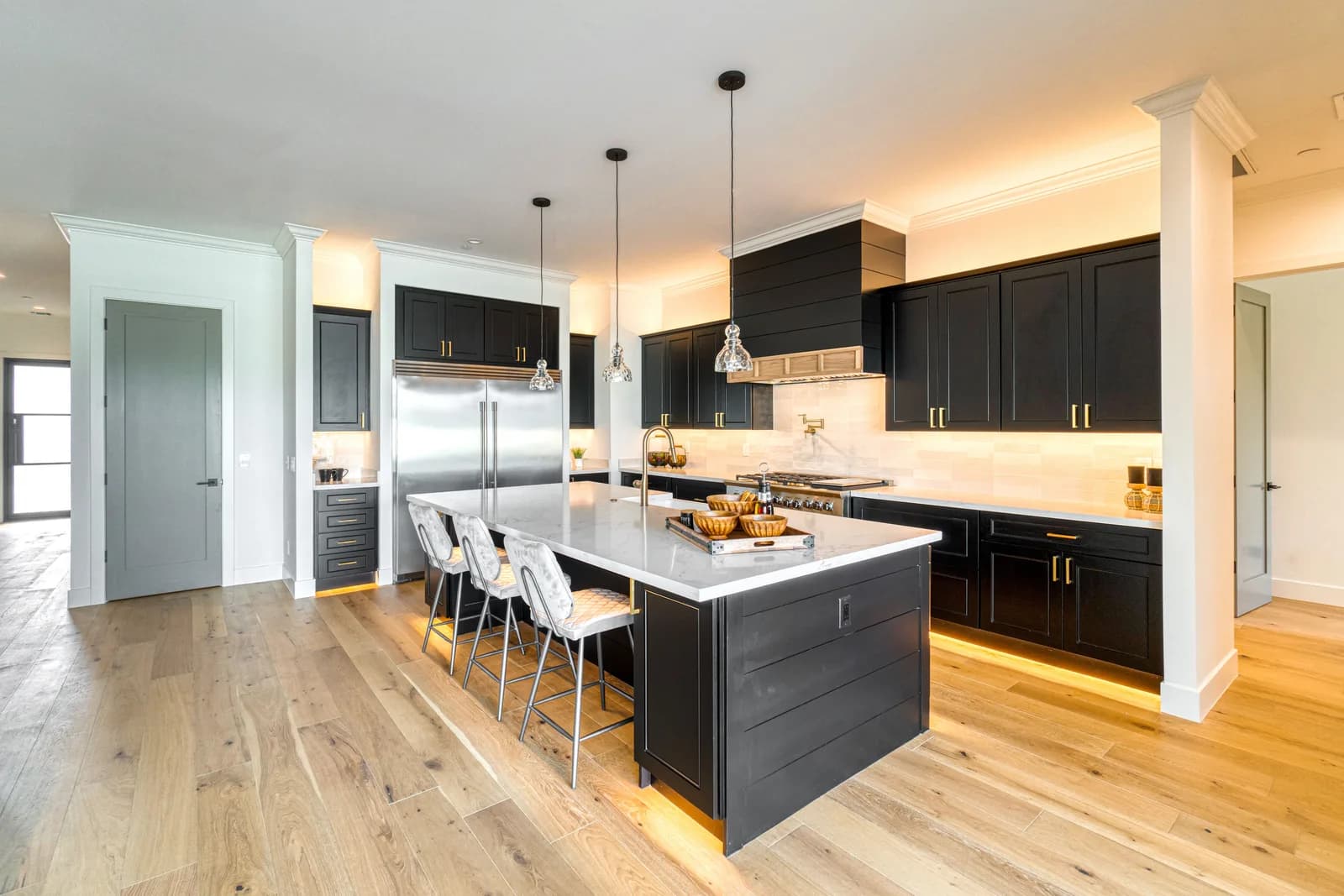

Let's build something that lasts.
Share your project details and let's turn your vision into a build that lasts. Most consultations are scheduled within 48 hours.