
Major Home Remodel: What Every Homeowner Needs to Know
A major home remodel is a full transformation of how your home functions, flows, and feels. Learn how to plan, execute, and thrive during the project.
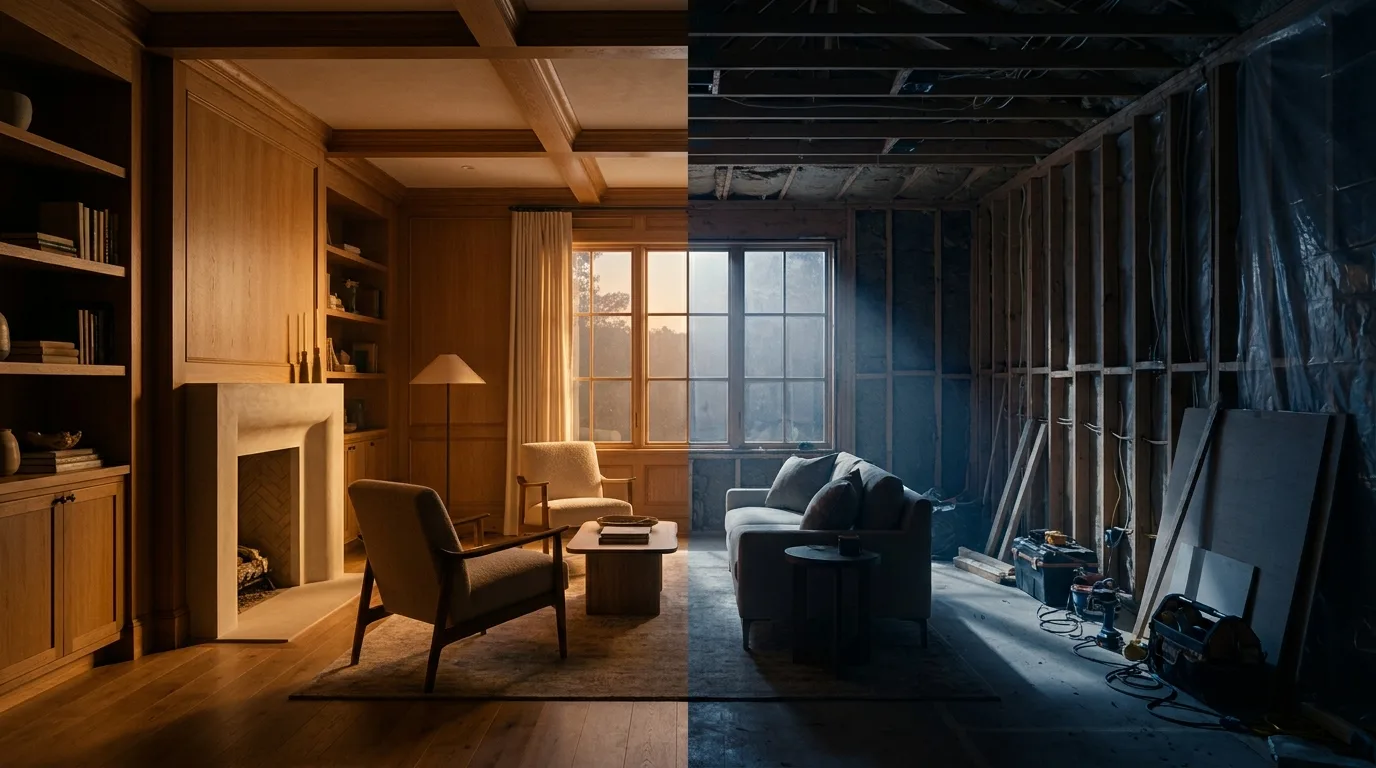
A major home remodel is more than just a facelift. It's a full transformation of how your home functions, flows, and feels. Whether expanding your living space, modernizing outdated rooms, or reconfiguring your layout entirely, a well-planned major home remodel offers the chance to align your home with your evolving lifestyle.
This comprehensive guide will walk you through everything you need to know to plan, execute, and thrive during a major home remodel. From inspiration to implementation, let's explore how to turn your current house into your dream home.
What Qualifies as a Major Home Remodel?
A major remodel typically involves structural changes and impacts multiple rooms or systems in the home. It goes beyond surface-level updates and may include:
- Altering or constructing walls
- Modifying the layout
- Upgrading plumbing and electrical systems
- New HVAC systems
- Roofing, siding, or window replacements
- Kitchen and bathroom overhauls
- Room additions or basement finishing
These projects usually require permits, professional teams, and a detailed construction plan.
Why Homeowners Choose Major Remodels
Remodeling can address many needs, such as:
- Space Optimization: Growing families often need more space or an improved layout.
- Modernization: Updating dated interiors to reflect current trends or technologies.
- Energy Efficiency: Integrating modern, eco-friendly materials and systems.
- Increased Property Value: Major remodels offer significant ROI when done right.
- Lifestyle Changes: Remote work, aging in place, or hosting more guests can drive changes.
Homeowners often remodel to stay in a beloved neighborhood while customizing their living space to suit their needs better.
Key Areas to Focus on During a Major Remodel
1. Kitchen Overhaul
The kitchen is the heart of the home and one of the most valuable areas to remodel.
- Open-concept layouts
- High-end appliances
- Smart kitchen technology
- Custom cabinetry and durable countertops
2. Bathroom Upgrades
Modern bathrooms bring spa-like comfort and function:
- Heated floors
- Walk-in showers and soaking tubs
- Dual vanities
- Motion sensor lighting and smart mirrors
3. Living & Dining Reconfiguration
- Removing walls for open-plan living
- Installing large windows or skylights
- Built-in shelving and accent walls
4. Bedroom Expansions & Suite Additions
- Walk-in closets
- Ensuite bathrooms
- Reading nooks and custom millwork
5. Home Office Spaces
With more people working remotely, creating a dedicated office space is now essential:
- Soundproofing
- Natural light optimization
- Built-in desks and storage
6. Outdoor Living Areas
Extend your lifestyle outdoors with:
- Patios and decks
- Outdoor kitchens
- Fire pits and water features
7. Basement Transformations
From home gyms to guest suites, finished basements add livable square footage and flexibility.
The Major Remodel Process: Step-by-Step
Step 1: Define Your Goals
Think beyond the "what" and focus on the "why."
- Do you need more space?
- Are you looking to modernize?
- Is energy efficiency a priority?
Step 2: Set a Realistic Budget
Major remodels typically start at $100,000 and can exceed $500,000 depending on scope and materials. Factor in:
- Design fees
- Permit costs
- Material and labor expenses
- Contingency funds (10 to 20%)
Step 3: Hire the Right Team
- Architect: For structural and layout redesign
- Interior Designer: For aesthetics, finishes, and function
- Contractor: To coordinate and execute construction
Check portfolios, credentials, references, and confirm licensing and insurance.
Step 4: Get Plans and Permits
Work with your design-build team to:
- Finalize drawings and specifications
- Apply for city permits and HOA approvals
Step 5: Start Construction
Construction can last several months, so good communication is key. Maintain:
- Weekly check-ins with your contractor
- Detailed project timelines
- Site visits for progress verification
Step 6: Quality Checks and Final Walkthrough
Before you sign off:
- Test all systems
- Inspect finishes
- Document any punch list items
Common Challenges and How to Avoid Them
1. Budget Overruns
- Solution: Build in a 10 to 20% contingency fund.
2. Scope Creep
- Solution: Stick to the original plan and make changes only with written change orders.
3. Delays
- Solution: Order materials early and avoid starting until everything is in hand.
4. Communication Breakdowns
- Solution: Weekly meetings and cloud-based project tracking tools.
5. Decision Fatigue
- Solution: Work with a designer who curates options aligned with your taste and budget.
Remodeling with ROI in Mind
Want to increase your home's value while customizing it to your taste? Focus on:
- Kitchen & Bath: These spaces consistently yield high returns.
- Energy-Efficient Upgrades: Insulation, HVAC, and smart systems.
- Curb Appeal: New siding, roofing, doors, and landscaping.
- Basement or Attic Conversions: Adds usable square footage without new additions.
2025 Remodeling Trends to Watch
- Sustainable Materials: Reclaimed wood, recycled tile, low-VOC paints.
- Smart Homes: Voice-controlled lighting, security, and appliances.
- Flexible Layouts: Movable partitions and hybrid-use rooms.
- Natural Finishes: Stone, wood, and earth-tone palettes.
- Aging-in-Place Design: Wider doorways, no-threshold showers, and easy-access cabinetry.
Common Major Remodel Directions
The Suburban Revival: A 1990s home is opened up with a modern floor plan, energy-efficient windows, and a three-season sunroom that reconnects the house to its yard.
The Loft-Style Conversion: An older or industrial structure is reimagined as a sleek, multi-level residence with exposed structure and integrated smart-home technology.
The Forever Home: A single-level home is remodeled into an age-in-place retreat: a main-floor primary suite, wider doorways, no-threshold showers, and non-slip flooring designed for the long term.
Conclusion
A major home remodel is your opportunity to create the lifestyle you've always envisioned right where you are. With careful planning, the right team, and a vision rooted in function and beauty, you can reinvent your space without changing your address.
While the road may be long, the outcome is a home that reflects your needs, supports your lifestyle, and grows in value over time. With the right guidance and realistic expectations, a major home remodel can be one of the most rewarding investments you'll ever make. Embrace the journey, and let your major home remodel turn your current space into your forever dream home.
FAQ
How long does a major home remodel take?
Most projects take 6 to 12 months, depending on size and complexity.
Do I need to move out during the remodel?
It depends on the extent. For whole-home remodels, temporary relocation is often advised.
Can I finance my remodel?
Yes. Options include home equity loans, HELOCs, personal loans, or renovation mortgages.
Is a major remodel worth the investment?
Yes, especially when it enhances your daily life and increases your home's resale value.
Bihn Construction brings New York-level discipline to building, renovating, and remodeling across Upstate South Carolina.
Related: Additions & Renovations · Custom Residential


Let's build something that lasts.
Share your project details and let's turn your vision into a build that lasts. Most consultations are scheduled within 48 hours.