
Design-Build Contractors: The Future of Construction Efficiency
A design-build contractor manages a project's design and construction under one roof, offering faster completion, lower costs, and a single point of responsibility.
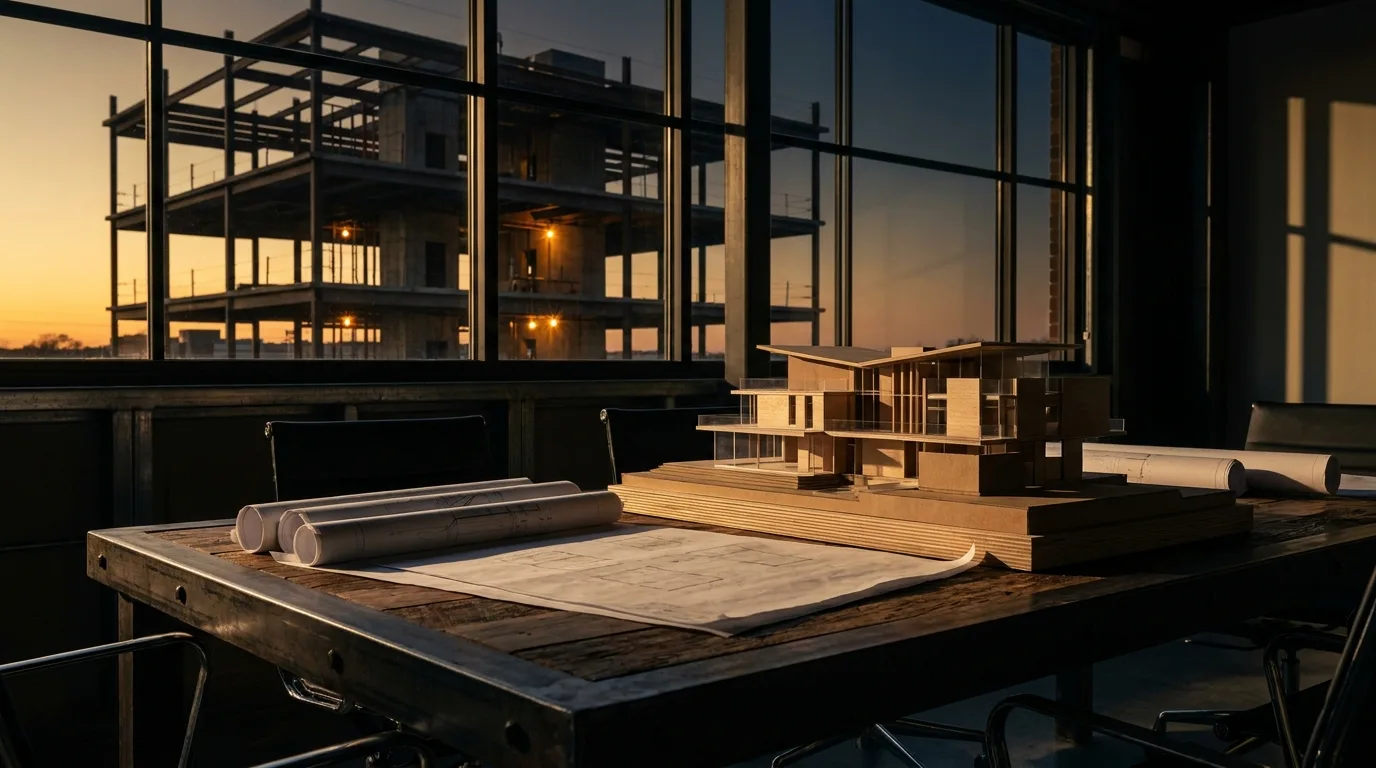
Understanding the Design-Build Model
Traditionally, construction projects follow a design-bid-build model. This means that one party (an architect or engineer) designs the project, and then contractors bid to build it based on those plans. The design-build model, however, merges these roles into a single entity, the design-build contractor.
A design-build contractor manages a project's design and construction, offering a single point of responsibility. This integrative approach can lead to faster completion times, reduced costs, and fewer communication issues.
Key Roles and Responsibilities
A design-build contractor or firm typically includes:
- Architects and Designers: They translate the client's vision into detailed plans and specifications.
- Project Managers: Ensure timelines, budgets, and communication stay on track.
- Construction Teams: Handle all aspects of the build, from groundwork to finishing touches.
- Engineers: Provide structural and systems planning to ensure the project is safe and efficient.
By housing all these roles within one team, the design-build contractor can deliver more cohesive results.
Advantages of the Design-Build Approach
- Single Point of Contact: Clients deal with one entity, simplifying communication and responsibility.
- Faster Project Completion: With design and construction happening concurrently, timelines are typically shorter.
- Cost Efficiency: Real-time budgeting throughout the design phase reduces the risk of costly surprises.
- Better Collaboration: Team members work together from day one, resulting in fewer errors and change orders.
- Improved Quality Control: Continuous involvement of the design-build team ensures higher standards across the board.
The Design-Build Process: Step-by-Step
- Initial Consultation: The contractor meets with the client to understand goals, needs, budget, and timeline.
- Conceptual Design: Early sketches and ideas are developed with input from both designers and builders.
- Budgeting and Feasibility: Preliminary costs are estimated to ensure the project aligns with financial expectations.
- Detailed Design and Planning: Plans are refined, materials are selected, and permits are obtained.
- Construction: Work begins with continuous coordination among all parties.
- Final Walkthrough and Handover: The client inspects the completed project and makes any final adjustments.
How Design-Build Compares to Other Models
| Feature | Design-Build | Design-Bid-Build | Construction Management |
|---|---|---|---|
| Responsibility | Single Entity | Multiple Parties | Client and CM |
| Timeline | Faster | Slower | Variable |
| Communication | Simplified | Complex | Moderate |
| Budget Management | Integrated | Fragmented | Collaborative |
| Risk Management | Contractor Owned | Shared | Client-Heavy |
When to Choose a Design-Build Contractor
The design-build approach is ideal for:
- Residential home builds and renovations
- Commercial and office space development
- Institutional and educational facilities
- Industrial buildings and warehouses
It works best when:
- The client values speed and efficiency
- There's a firm budget with limited room for overages
- Collaboration is a priority
- Simplicity in communication is needed
Challenges of the Design-Build Model
While design-build has many advantages, it's not without challenges:
- Less Competitive Bidding: Some clients may prefer separate bidding to get the lowest price.
- Potential for Conflicts of Interest: The contractor may prioritize ease of construction over creative design.
- Limited Checks and Balances: Since one entity handles everything, external oversight is reduced.
Mitigating These Challenges
- Choose an Experienced Contractor: Look for a team with proven design-build success.
- Request Transparent Contracts: Ensure clear agreements on deliverables, timelines, and costs.
- Engage in Regular Check-Ins: Stay informed throughout the process with consistent updates.
How to Find the Right Design-Build Contractor
- Research Online: Look for contractors with strong reviews, portfolios, and relevant experience.
- Seek Referrals: Recommendations from friends, family, or trusted industry professionals can be incredibly valuable.
- Interview Multiple Firms: Ask about their process, previous projects, and team structures.
- Check Licenses and Certifications: Make sure they're qualified and compliant with local laws.
- Review Past Projects: Case studies and testimonials can provide insight into their capabilities.
Where Design-Build Delivers
- Residential: When design and construction sit under one accountable team, homeowners avoid the gap between "what was drawn" and "what can actually be built to budget": value engineering happens early, so the project starts on realistic footing and stays on schedule.
- Commercial: A retail or tenant build-out on a hard opening date benefits from the single point of accountability design-build provides: design, permitting, and trade coordination move in parallel rather than in sequence, protecting the open date.
Common Myths and Misconceptions About Design-Build
- Design-Build Is Only for Large Projects: Many believe design-build is suited only for large commercial developments, but it is equally effective for residential and small-scale projects.
- You Lose Creative Control: Some clients worry that working with a design-build team means sacrificing creative input. In reality, the collaborative nature of this model often results in better alignment with the client's vision.
- Design-Build Contractors Cut Corners: Reputable design-build firms are dedicated to maintaining quality and client satisfaction. Their integrated approach can improve workmanship and material choices.
Technologies That Enhance Design-Build Projects
- Building Information Modeling (BIM): A digital representation of a building's characteristics that helps improve coordination and reduce errors.
- 3D Rendering Software: Allows clients to visualize the project before construction begins.
- Cloud-Based Project Management Tools: These platforms help all stakeholders stay informed and connected throughout the project lifecycle.
Regional Differences in Design-Build Practices
Different countries and regions may implement the design-build model in various ways:
- North America: Widely adopted in both public and private sectors with a strong emphasis on technology integration.
- Europe: Design-build is growing but still often competes with traditional models due to established legal and architectural norms.
- Asia-Pacific: Rapid urban development has encouraged faster adoption of design-build methods.
In-Depth Look at Design-Build Contracts
Design-build contracts must be written to cover:
- Scope of work
- Design and construction timelines
- Payment terms and cost control mechanisms
- Change order processes
- Dispute resolution procedures
Popular contract types include:
- Lump-Sum Contracts: Fixed total cost for the entire project.
- Cost-Plus Contracts: The client pays for actual costs plus a fee.
- Guaranteed Maximum Price (GMP): Sets a price ceiling, with the contractor absorbing excess costs.
What Owners Consistently Value About Design-Build
- Engagement through the whole process: the design intent carries through to the finished result, because the people who drew it stay involved in building it.
- Communication and speed: one team, one schedule, and one line of accountability remove the finger-pointing that slows traditional design-bid-build projects.
- A simpler experience: instead of coordinating separate architect, engineer, and builder contracts, the owner works with a single accountable partner from concept to closeout.
Future of Design-Build Contracting
The design-build model continues to gain popularity across industries, especially as clients demand faster, more cost-effective solutions. Technology, such as Building Information Modeling (BIM) and project management software, is further enhancing the efficiency and accuracy of this approach. With growing interest in sustainable and smart building practices, design-build teams are well-positioned to lead innovation.
Conclusion
Design Build Contractors represent a modern, efficient, and client-friendly approach to construction and renovation. By integrating design and construction under one roof, clients benefit from streamlined communication, faster timelines, and improved cost control. While it may not suit every project, Design Build Contractors offer a compelling option for many, particularly those who value collaboration, efficiency, and a single point of accountability.
When choosing Design Build Contractors, do your research, communicate your goals clearly, and partner with a team that aligns with your vision. With the right contractor, a design-build project can deliver outstanding results from concept to completion.
Bihn Construction brings New York-level discipline to building, renovating, and remodeling across Upstate South Carolina.
Related: Design-Build Services · Our Process
Let's build something that lasts.
Share your project details and let's turn your vision into a build that lasts. Most consultations are scheduled within 48 hours.